
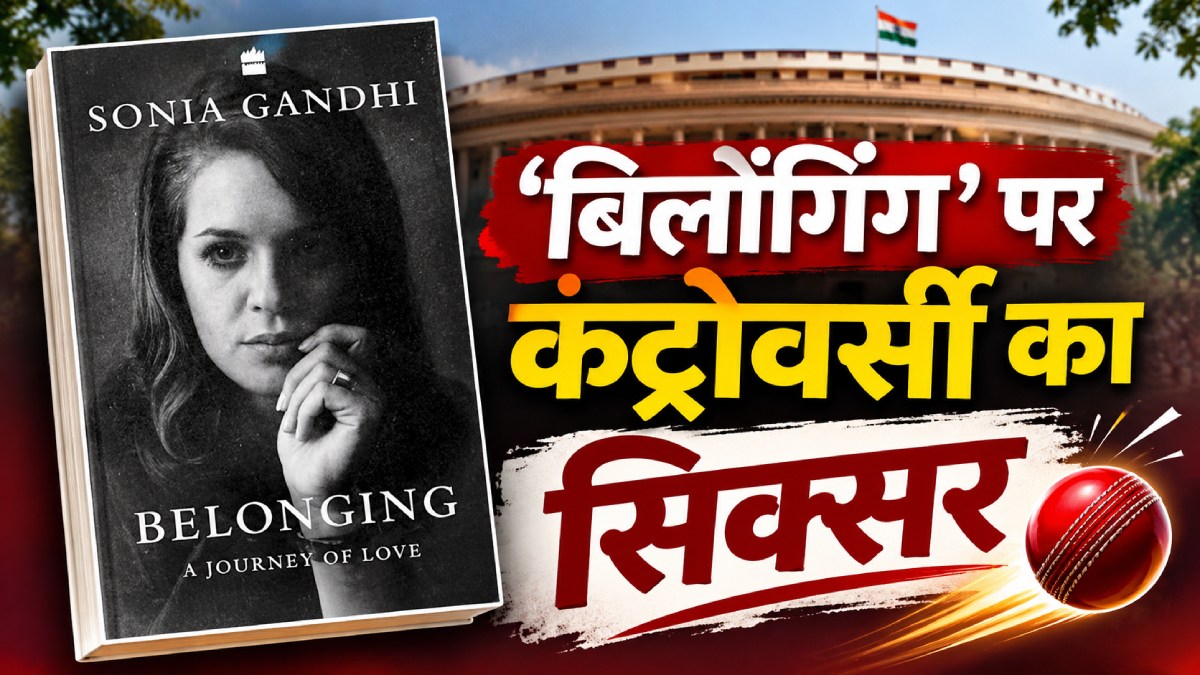
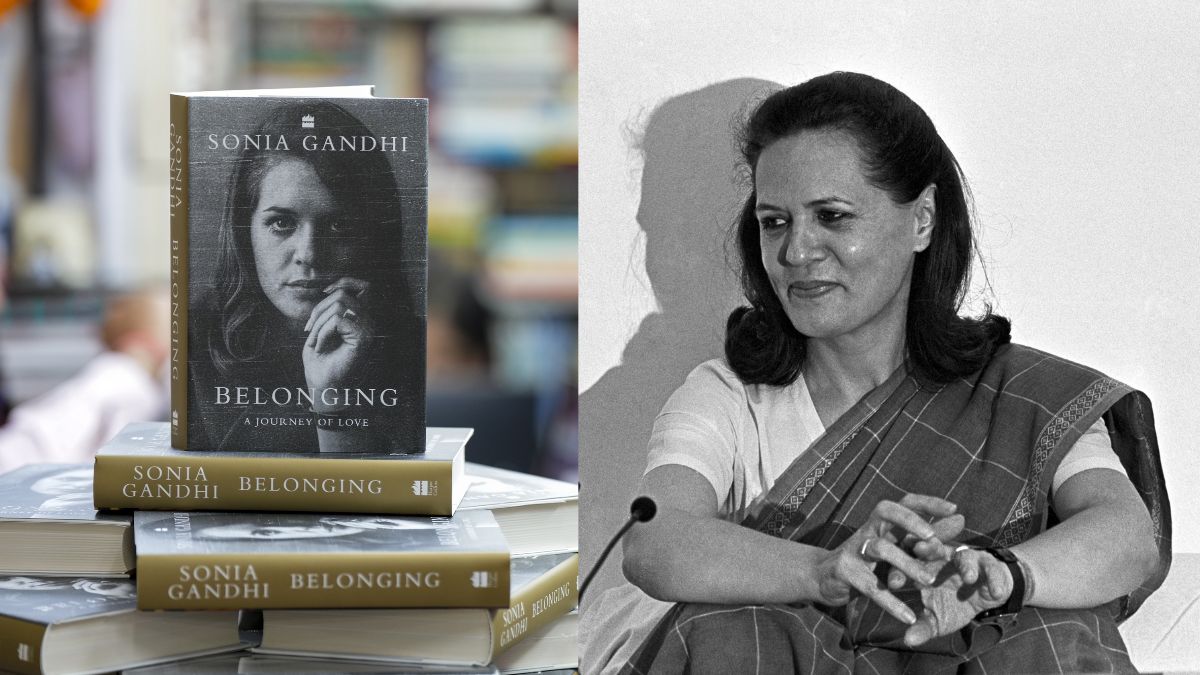
Sonia Gandhi Book Controversy: भारत के राजनीति के केंद्र में लंबे समय तक रहने वाली और कांग्रेस की सबसे लंबे समय तक अध्यक्ष रहीं सोनिया गांधी की आत्मकथा Belonging: A Journey of Love के प्रकाशन के साथ ही देश की राजनीतिक गलियारों में भूचाल आ गया है। सोनिया गांधी की इस किताब को भले ही एक निजी और पारिवारिक यात्रा अनुभव बताया जा रहा है, लेकिन इसमें आधुनिक भारतीय इतिहास के उन संवेदनशील अध्यायों को छुआ गया है, जिन्होंने देश की राजनीति को गहराई से प्रभावित किया है।
किताब के बाजार में आने से पहले ही पब्लिशर्स बदलने की उठापटक और इसके अंशों को लेकर राजनीतिक दलों के बीच तीखी प्रतिक्रियाएं शुरू हो चुकी थी। सोनिया गांधी की इस आत्मकथा में ऐसे छह प्रमुख बिंदु हैं, जिन्होंने सबसे तीखा राजनीतिक विवाद पैदा किया है। आइए जानते हैं इन छह बिंदुओं के साथ-साथ उन पर राजनीतिक विरोधियों, कानूनी जानकारों और सामाजिक-राजनीतिक गलियारों से सामने आए तीखे पलटवार और तर्कों को 1.
ऑपरेशन ब्लू स्टार और इंदिरा गांधी के आंसू आत्मकथा में सोनिया गांधी ने साल 1984 के बहुचर्चित 'ऑपरेशन ब्लू स्टार' (Operation Blue Star) और तत्कालीन प्रधानमंत्री इंदिरा गांधी के मानसिक संताप का जिक्र किया है। किताब में बताया गया है कि यह फैसला देश की अखंडता के लिए कितना कठिन और पीड़ादायक था, और किस प्रकार इंदिरा गांधी इस सैन्य कार्रवाई के बाद अंदर से टूट चुकी थीं।
विपक्षी दलों और खासकर पंजाब और अकाली राजनीति से जुड़े नेताओं और आलोचकों ने ऑपरेशन ब्लू स्टार पर सोनिया गांधी के दावे को आड़े हाथों लिया है। विपक्ष का कहना है कि कि यह कांग्रेस के उस दौर के फैसलों को मानवीय संवेदनाओं के पर्दे के पीछे छिपाने की कोशिश है। आलोचकों का तर्क है कि स्वर्ण मंदिर में सैन्य कार्रवाई का आदेश देना एक ऐसा राजनीतिक और रणनीतिक कदम था, जिसके दूरगामी और घातक परिणाम पूरे देश ने भुगते।
इसे केवल व्यक्तिगत पीड़ा बताकर राजनीतिक जवाबदेही से नहीं बचा जा सकता। पंजाब बीजेपी प्रमुख तरुण चुग ने सोनिया गांधी के दावे पर सवाल उठाते हुए कहा कि वे बताएं कि जब स्वर्ण मंदिर में तोप के गोले चल रहे थे तो वे क्या कर रही थीं। सुप्रीम कोर्ट में सिनियर लॉयर एच.
एस फुलका ने इंदिरा गांधी के आंसुओं को 'मगरमच्छ के आंसू' करार दिया है। #WATCH | Delhi: On Sonia Gandhis book, BJP leader HS Phoolka says, "In the book written by Sonia Gandhi, she has attempted to grant a self-clean chit to her own family—even regarding the massacre of Sikhs.
In her book, she claims that on the night of October 31st, Rajiv Gandhi instructed the Army Chief, General Vaidya, to call in the Army. She asserts that General Vaidya himself decided against using the Army units stationed near Delhi—purportedly because they included Sikh soldiers—and instead ordered troops from further away, such as Dehradun.
She suggests that this was General Vaidya’s personal decision, and that the resulting delay in the troops arrival caused the delay in their deployment. This account is entirely contrary to the facts. Firstly, the claim that General Vaidya decided not to deploy Sikh soldiers—and that there were no other troops available near Delhi—is completely at odds with the facts.
On October 31st and the morning of November 1st, there were 6,000 Army personnel available in Delhi. The Mishra Commission noted that approximately 6,000 soldiers were present in the city, yet they were not deployed. Furthermore, the Mishra Commission stated that had even 5,000 of these soldiers been deployed to march through the streets of Delhi on the morning of November 1st, at least 2,000 Sikh lives could have been saved.
This is documented in the Mishra Commission’s report, and the Nanavati Commission has also noted the same. Now, consider the statements provided by the Army Chief, General Vaidya. General Vaidya stated that he took the initiative himself—independent of any instructions from Prime Minister Rajiv Gandhi—to ensure the Army was available in Delhi.
He consulted the GOC (General Officer Commanding) Delhi, who confirmed that 6,000 troops were available. General Vaidya then proceeded to call in the Army, and the troops arrived by that evening. Furthermore, look at the claim made by Sonia Gandhi—an attempt to absolve herself—that the Army was not available on November 1st and therefore could not be deployed.
This is entirely contradicted by the official record. According to the Mishra Commission report, Rajiv Gandhi did alert General Vaidya; however, it is not the Army Chief’s role to unilaterally deploy the Army—that is the responsibility of the civil administration.
Moreover, the Mishra Commission noted that had those 5,000 soldiers—who were already present in Delhi on November 1st—been deployed, the lives of 2,000 Sikhs could have been saved. Now, Rajiv Gandhi was the Prime Minister at the time. What action did Rajiv Gandhi take?
If Rajiv Gandhi himself is not held responsible, then what action did he take against those who were responsible for these massacres of Sikhs—those who failed to call upon the army, which was readily available in Delhi on November 1st? In his first speech—at his very first rally—Rajiv Gandhi remarked that "when a big tree falls, the earth shakes.
" In doing so, he essentially attempted to justify the entire massacre. And now, in her book, Sonia Gandhi attempts to absolve Rajiv Gandhi and their family. This stands in direct contradiction to the official record.
It is an absolute lie. "।
पाठक प्रतिक्रियाएं